
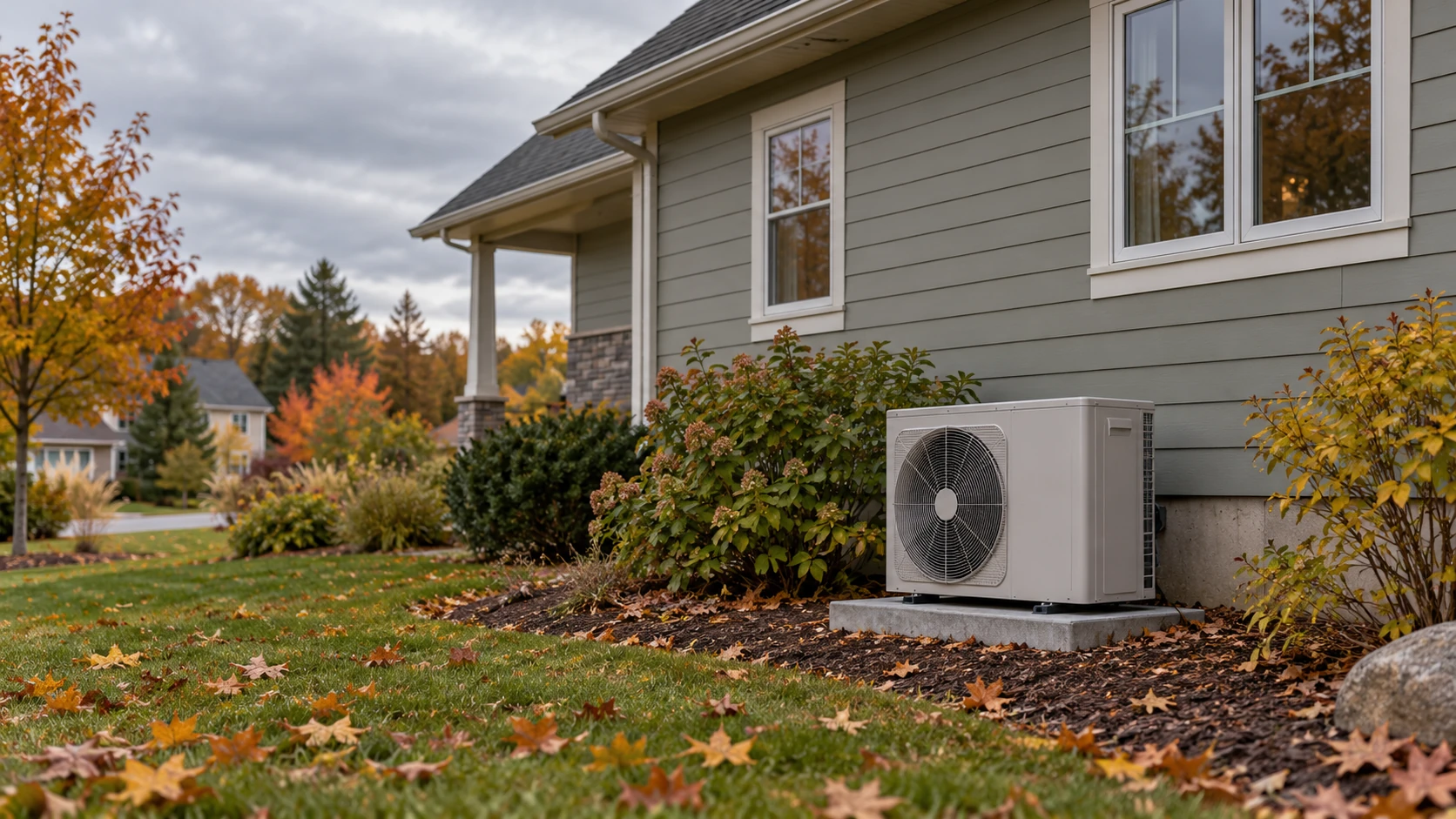
A heat pump, a gas furnace and a dual-fuel system have different installation, heating and cooling costs. There is no universal winner: the heat pump vs gas furnace cost depends on your heating load, energy rates, equipment performance, quotes and how long you stay in the home.
Compare the same scope on each quote. A heat pump can supply cooling as well as heating, while a furnace needs separate cooling. If your existing air conditioner is near replacement, include that cost in the furnace option. Our heat pumps for homeowners guide covers the equipment basics.
This page contains affiliate links. As an Amazon Associate, Acara earns from qualifying purchases at no extra cost to you. Other links marked sponsored may also earn a commission. Affiliate disclosure.
Compare the same project, not just equipment prices

Ask for itemized quotes for equipment, labor, electrical work, duct changes, permits, disposal and controls. If one quote includes a replacement air conditioner and the other does not, the totals are not equivalent. Compare warranties and expected maintenance too. See our heat pump installation cost guide for project details.
| Option | What to include in the comparison |
|---|---|
| Heat pump | Heat pump, indoor equipment, electrical and duct work, and backup heat if required |
| Gas furnace | Furnace, gas and vent work, and a separate air conditioner if it also needs replacement |
| Dual fuel | Heat pump plus compatible furnace, controls, installation and ongoing gas service |
Quotes and local labor rates vary. Do not assume a service-panel upgrade is necessary based only on whether the home has 100A or 200A service; have an electrician evaluate the actual load and available options.
Electricity rate, gas rate and efficiency all matter
For the same delivered heat, an electric heat pump’s variable heating cost is approximately the electricity rate divided by its seasonal coefficient of performance (COP). A gas furnace’s variable heating cost depends on the price per therm and furnace efficiency. Actual seasonal COP varies with weather, equipment, defrost and backup heat, and actual gas use must distinguish space heating from water heating or cooking.
For illustration, a furnace with 95% efficiency and gas at $1.49 per therm provides heat for about 5.35 cents per delivered kWh; a heat pump averaging COP 2.5 at 18 cents per kWh costs about 7.2 cents per delivered kWh. On those assumptions the heating-only electricity break-even rate is about 13.4 cents per kWh. Change any rate or efficiency and the answer changes. These figures exclude fixed charges, cooling and other project costs.
Heating-Cost Calculator
Enter your own estimates. The tool compares heating only at constant rates; it does not predict seasonal COP, backup use, cooling, financing, repairs or future energy prices.
Use gas consumed for heating only. Your billed therms may also include a water heater or cooking. Compare both quotes on equivalent heating and cooling scope. A professional load calculation and model-specific cold-weather capacity matter more than a generic square-foot rule.
The third option: a dual-fuel system
A dual-fuel system combines an electric heat pump with a furnace, using controls to choose the appropriate heat source. The switch point depends on equipment, local prices and settings; it is not a universal outdoor temperature. Ask the installer for the model's capacity at your local design temperature, the proposed backup strategy and an itemized quote. The calculator above does not model hybrid switching.
Thermostat settings can affect backup operation. Ask your technician about compatible controls and safe settings rather than disabling supplemental heat yourself.
Compare the Ecobee Premium thermostat with your system's control requirements.
Check incentives before subtracting them
The federal Section 25C heat-pump credit ended for property placed in service after December 31, 2025. Eligible earlier installations may support a claim on the applicable return. State or utility rebates may be available but have their own funding, equipment, income and preapproval requirements. DOE changed state and territory HEEHR guidance in May 2026, including fuel-switching restrictions. See our heat pump rebates guide and tax-credit guide.
Questions to ask before signing
- What is the calculated heating and cooling load and the heat pump's rated capacity at the local design temperature?
- What backup heat and controls are included, and how will they operate?
- Does the quote include cooling, ducts, electrical work, permits and disposal?
- What current rebates are approved or only estimated, and can they be combined?
- Who handles warranty service, maintenance and commissioning?
Compare local installation quotes
Request itemized proposals and independently check each contractor's qualifications and scope.
Frequently asked questions
Is a heat pump always cheaper to run than gas?
No. The outcome depends on electricity and gas rates, delivered-heat efficiency and operating conditions. A high COP alone does not prove a lower bill.
Does a heat pump work in cold weather?
Many cold-climate models are designed for low temperatures, but capacity and efficiency vary by exact model. Compare published performance with your home's design load and proposed backup. See our cold-climate heat pump guide for model-level questions.
What if I move before payback?
You may not receive all projected future savings. A resale benefit is possible but not guaranteed. Compare your expected ownership period and remaining financing with the quotes.
Is the federal $2,000 credit still available for a new installation?
No. Section 25C ended for equipment placed in service after December 31, 2025. Earlier eligible equipment may still support a claim under the applicable rules.
Ask about a specific HVAC question
JustAnswer offers a paid question service. Confirm the expert's credentials and whether an on-site assessment is needed for your situation.
This educational comparison is not financial or installation advice. Rates, seasonal performance, prices and incentives vary. Consult qualified professionals and review current program terms before deciding. EIA electricity prices provide historical context, not your exact marginal rate.